
Blog

#1 Manufacturer’s Guide to Cushion Close ( Soft Close ) Technology

1. What Cushion Close ( Soft Close ) Actually Is

In technical terms, Cushion Close ( Soft Close ) is a damping system integrated into a slide or hinge that:

  • Slows the last part of the closing motion
  • Prevents slamming and noise
  • Gently pulls the drawer or door fully shut

Engineering resources describe the core mechanism as a compact hydraulic damper or buffer triggered in the last few inches of travel. The damper converts the drawer’s kinetic energy into controlled resistance using a piston moving through fluid, often paired with a spring that provides the final pull-in force.

In practice, Cushion Close ( Soft Close ) hardware:

  • Makes motion quieter and more controlled
  • Reduces impact on cabinet boxes and fronts
  • Protects contents from shock and sudden stops

2. Where Comtrad and CGS Use Cushion Close ( Soft Close )

Comtrad’s CGS hardware line applies Cushion Close ( Soft Close ) across slides and hinges, and backs those products with third-party testing.

CGS Cushion Close ( Soft Close ) undermount slides

The CGS2 Undermount Slide Series is Comtrad’s Cushion Close ( Soft Close ) undermount platform. The product listing highlights:

  • Multiple lengths (9″, 12″, 15″, 18″, 21″) in CGS2 Cushion Close undermount models
  • Matching brackets for face-frame and 6-way adjustable front brackets
  • All CGS drawer slides tested to KCMA, BIFMA, and Woodwork Institute performance standards, backed by a limited lifetime warranty
  • Comtrad maintains extensive inventory to keep stock-out risk very low

The same page notes that CGS undermount slides are offered in cushion-closing, push-to-open, or combination versions to pair functionality with a clean undermount aesthetic.

CGS3 Cushion Close ( Soft Close ) full-extension ball-bearing slides

In Comtrad’s blog introducing the CGS 3 Cushion Close, Full Extension, Ball Bearing Slides, they specify that CGS 3 features:

  • Heavy-gauge zinc-plated steel construction
  • Full extension and ball-bearing carriage
  • Multiple Cushion Close ( Soft Close ) buffers for quiet closing
  • KCMA dynamic load testing to 45 kg (100 lb)
  • BIFMA-approved performance for commercial environments
  • Tested to KCMA, BIFMA, and WCI standards, with a limited lifetime warranty and extensive inventory.

This makes CGS 3 a Cushion Close ( Soft Close ) option for side-mount applications where you still want full extension, high load capacity, and a familiar ball-bearing format.

CGS Cushion Close ( Soft Close ) hinges

243 - CGS Cushion Close ( Soft Close )Self Closing Face Frame Hinge

On the hinge side, Comtrad’s CGS range includes Cushion Close ( Soft Close ) Euro-style hinges in multiple overlays and angles. The product descriptions and sell sheet note:

  • Cushion Close ( Soft Close ) and self-close options in Euro hinges
  • Multiple overlays (full, half, inset) and specialty angles (e.g., 135° pie-cut, wide-angle)
  • Hinges made from solid plated steel and tested to KCMA and Woodwork Institute standards

The CGS hardware overview also confirms that all CGS slides and hinges are KCMA-approved and, where needed, BIFMA-approved by third-party labs in North America.


3. How Cushion Close ( Soft Close ) Mechanisms Work in Slides and Hinges

Although implementations vary by brand, most Cushion Close ( Soft Close ) systems use the same basic elements:

  1. Trigger / catch
    • Engages in the last ~25–40 mm (1–1.5″) of travel
    • Transfers the closing motion into the damping module
  2. Hydraulic damper
    • A piston moving through fluid inside a sealed cylinder
    • A small internal passage throttles the fluid to create resistance
    • This resistance gently slows the closing motion rather than letting the drawer or door slam
  3. Spring or self-closing energy source
    • A spring compresses as the damper engages
    • Once speed is controlled, the spring provides the final pull-in to fully close the drawer or door

In slides such as those Comtrad sells and specifies (including King Slide and CGS platforms), this Cushion Close ( Soft Close ) module is integrated into the slide runner or housed at the back of the slide. In hinges, the damper is typically built into the hinge arm or cup.


4. Why Manufacturers Specify Cushion Close ( Soft Close )

Independent guides and retailers consistently list several benefits of Cushion Close ( Soft Close ) hardware:

  • User experience – quieter, smoother operation and a more premium feel in everyday use
  • Protection and durability – less impact on joinery, fronts, and contents, which can extend the life of cabinets and furniture
  • Perceived quality – Cushion Close ( Soft Close ) drawers and doors are increasingly seen as a baseline in higher-end kitchens and baths, rather than a luxury add-on

For manufacturers using CGS Cushion Close ( Soft Close ) hardware specifically, these benefits are combined with:

  • Verified performance against KCMA, BIFMA, and WCI benchmarks
  • Load-rating information suitable for both residential and commercial applications
  • A consistent Cushion Close ( Soft Close ) story across slides and hinges, which helps standardize the “feel” of a product line

5. Key Design Decisions for Manufacturers

When you standardize on Cushion Close ( Soft Close ) technology, there are several decisions to make at the spec level.

a) Mount type: undermount vs ball-bearing side mount

External engineering guides point out that:

  • Undermount slides are preferred in premium kitchens: invisible hardware, full extension, and excellent Cushion Close ( Soft Close ) performance
  • Side-mount ball-bearing slides are often chosen for retrofits, utility storage, high load capacity, or where cost sensitivity matters more than hidden hardware.

CGS mapping to these categories:

  • CGS2 Cushion Close ( Soft Close ) undermount slides for concealed, premium drawer boxes
  • CGS3 Cushion Close ( Soft Close ) full-extension ball-bearing slides for visible side-mount applications with 100 lb dynamic load capability

b) Load rating and environment

General technical sources emphasize that load rating and use environment (kitchen vs office vs retail) should drive slide choice.

CGS data points that help here:

  • CGS3 Cushion Close ( Soft Close ) slides: 100 lb dynamic load, KCMA and BIFMA testing—appropriate for kitchen, office, and commercial casework.
  • CGS undermount slides: tested to KCMA, BIFMA and WCI standards, with inventory and warranty supporting high-use cabinetry in kitchens and baths.

c) Certification and market segment

If you build for North American residential or commercial markets, certifications matter:

  • CGS hardware page: all CGS slides and hinges are KCMA approved, and BIFMA-approved where needed, via third-party labs in North America.
  • CGS Cushion Close ( Soft Close ) hinges specifically mention KCMA and Woodwork Institute approvals.

That makes Cushion Close ( Soft Close ) hardware from the CGS line suitable for:

  • KCMA-aligned kitchen and bath programs
  • BIFMA-relevant office and institutional casework
  • Projects where specifiers require documented performance thresholds

6. Implementation Tips: Getting Cushion Close ( Soft Close ) Right in Production

To get the most from Cushion Close ( Soft Close ) technology in a manufacturing environment, it helps to think beyond the individual slide or hinge.

Standardize your platforms
Choosing one primary Cushion Close ( Soft Close ) undermount platform (like CGS2) and one Cushion Close ( Soft Close ) ball-bearing platform (like CGS3) simplifies:

  • Drilling patterns and jigs
  • Training for assembly staff
  • Inventory management across product lines

Match hinges and slides by “feel”
Using CGS Cushion Close ( Soft Close ) hinges alongside CGS Cushion Close ( Soft Close ) slides keeps motion consistent—no more silent drawers paired with slamming doors.

Leverage Comtrad’s inventory and warranty posture
For manufacturers, Comtrad’s statements about extensive inventory and a limited lifetime warranty on CGS slides reduce risk around adopting Cushion Close ( Soft Close ) as a standard feature. If a platform is going to be used throughout your line, you want that stability behind it.


7. Bringing It All Together

Cushion Close ( Soft Close ) is no longer a niche upgrade—it’s a core expectation in many residential and commercial cabinet programs. For manufacturers, it’s both a user-experience feature and a technical choice that affects durability, compliance, and production efficiency.

By building your hardware program around CGS Cushion Close ( Soft Close ) slides and hinges from Comtrad, you get:

  • Proven Cushion Close ( Soft Close ) mechanisms in undermount and ball-bearing formats
  • Hardware that’s tested to KCMA, BIFMA, and WCI standards
  • A consistent, quiet, controlled feel across drawers and doors
  • Support from a supplier that maintains inventory and backs products with a lifetime warranty

If you’re updating your spec sheets or planning the next generation of your cabinet line, Cushion Close ( Soft Close ) technology—and specifically the CGS implementation of it—is one of the most impactful hardware decisions you can make.
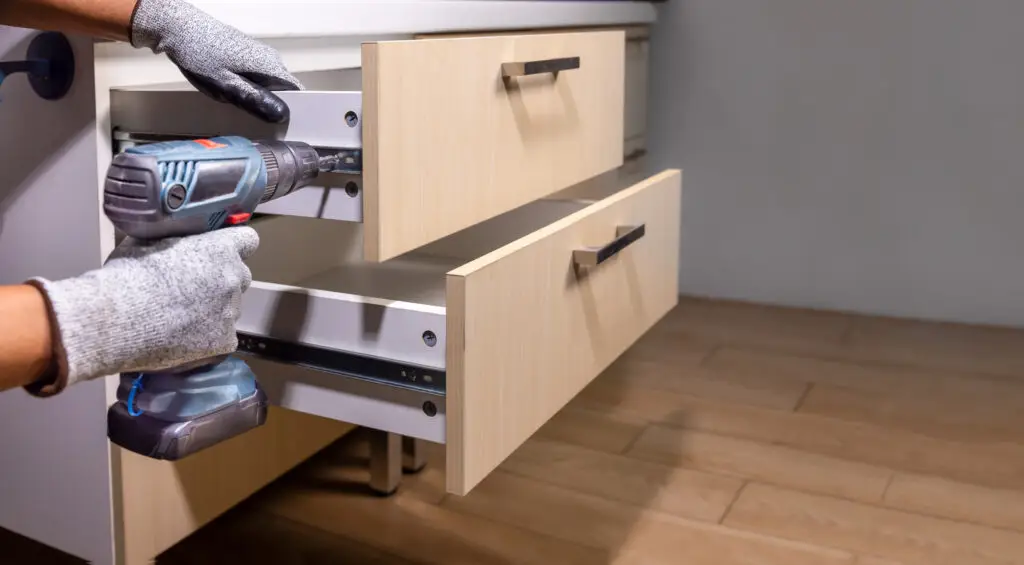

Comtrad - Cushion Close ( Soft Close ) - Drawer Slides - Functional Hardware

Send us a message

Read More Blogs

1. What Cushion Close ( Soft Close ) Actually Is In technical terms, Cushion Close ( Soft Close ) is...
Where the next generation of slides, hinges & systems is headed – and how Comtrad helps you plug in. If...
In today’s competitive cabinetry market, manufacturers are constantly seeking ways to deliver long-lasting, high-performing products that meet both functional and...